Consumers are rethinking what “natural” really means
As consumers become more intentional about what they eat and drink, expectations around product formulation are changing. Consumers no longer choose products based on price and taste alone, they increasingly care about ingredients, clean labels, and brand transparency.
This shift is reflected in the growing importance of naturalness. Today, 70% of global consumers say it is important that food and drink is 100% natural, an increase from 67% two years ago. This rising expectation signals a clear move toward simpler, more authentic formulations, and creates strong opportunities for brands willing to prioritize ingredient integrity.

Clean label as a marker of value
Naturalness is no longer just about avoiding artificial ingredients. It has become a broader signal of quality, trust, and responsibility. Consumers associate clean label with both personal wellbeing and ethical impact.
In fact, 66% of consumers link natural products with being healthier, while 56% associate them with being better for the environment. This shows how ingredient choices now shape not only perceptions of health, but also views on sustainability. This positions clean labels as a key indicator of value.
Ingredient integrity is shaping purchasing behavior
As clean label expectations grow, consumers are paying closer attention to what appears on pack. Free-from claims and recognizable ingredients are now powerful drivers of confidence.
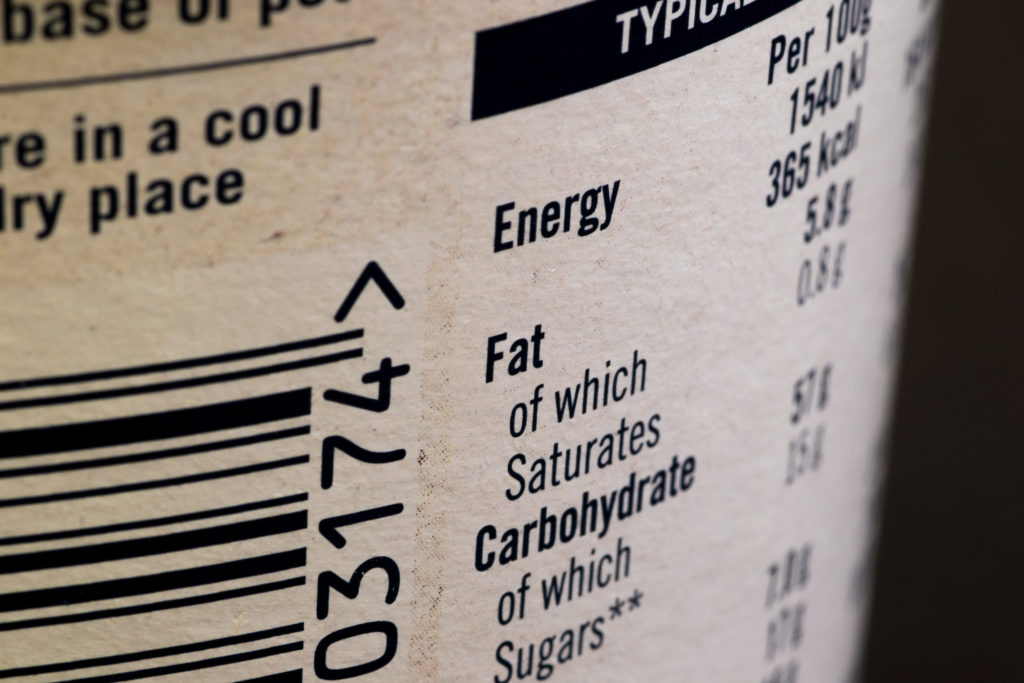
FMCG Gurus’ insights show 65% of global consumers say “free from additives” influences their food and drink choices, alongside similarly strong responses for other claims such as free from artificial ingredients and synthetic components. At the same time, scrutiny of labels is increasing. Just over three in five of global consumers now check nutritional labelling some or most of the time when choosing snacks. This highlights how transparency has become a central part of purchasing decisions.
Transparency and trust
Despite rising interest in clean labels, confidence in brand communication remains weak. Many consumers feel ingredient information is still overly complex, or even deliberately unclear.
Nearly three in ten consumers believe food brands are misleading about the ingredients used, with this rising to over a third for soft drinks. This highlights a key challenge. When labels feel technical, trust decreases, but, when they feel simple and accessible, credibility grows. As a result, claims such as non-GMO and organic are used as shortcuts to assess product integrity.
Clean label becomes the standard
Expectations around naturalness are especially high in staple categories such as fruit, vegetables, bread, and yogurt. In these everyday foods, clean labels are no longer seen as a premium feature. Instead, it is seen as a standard. Brands that fail to meet these expectations risk undermining trust in categories where consumers are least tolerant of artificial or highly processed cues.
Meeting consumer expectations
The opportunity for brands is clear. Today’s consumers want products made with simple, recognizable ingredients, free from unnecessary additives, and supported by clear, transparent communication around benefits.
However, success will not come from reformulation alone. Many consumers admit that nutritional and scientific information can feel confusing. Therefore, brands that stand out will be those that translate complexity into simple, accessible messaging. This makes clean label a source of reassurance rather than uncertainty.
Looking ahead
Clean label is no longer driven by niche wellness audiences. It is becoming a mainstream expectation across everyday food and drink. Consumers continue to connect ingredient integrity with health, sustainability, and brand credibility. Because of this, the role of clean label will only grow stronger.
Brands that simplify formulations and communicate clearly will be best placed to build trust and long-term growth. Especially as expectations around ingredient transparency continue to rise.
Discover how ingredient integrity, clean labels, and naturalness is influencing consumer expectations with FMCG Gurus’ Trend Report – Clean Label – The Importance of Ingredient Integrity and Naturalness in Everyday Products – 2026. For more information, contact us at info@fmcggurus.com.