Introduction
Alcohol consumption is changing, but not disappearing. Across generations, consumers are moderating their intake while rethinking the role alcohol plays in their lives. This shift is often assumed to signal growing demand for alcohol-free substitutes, yet consumer behavior tells a more nuanced story. Rather than abandoning alcohol altogether, people are becoming more selective, intentional, and experience-driven in how they drink.
While the proportion of consumers actively taking steps to improve their health has remained steady from 2022 to 2024, the motivations behind these actions are evolving. Moderation today is less about restriction and more about balance, quality, and emotional well-being.
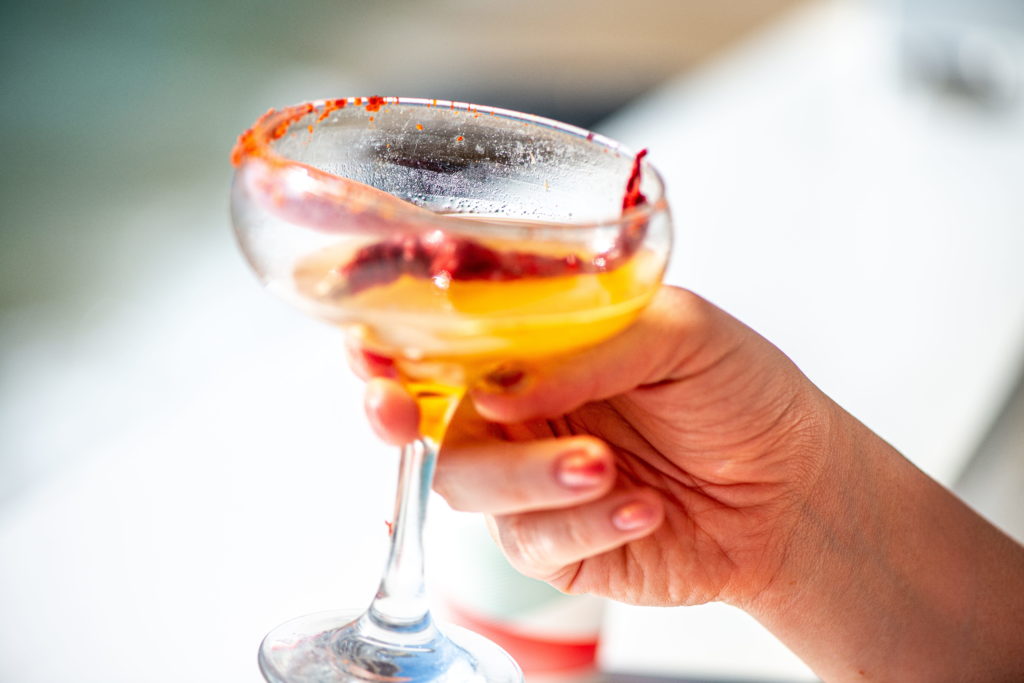
Moderation Over Abstinence
Consumers of all ages are drinking less. However, this does not mean they are fully replacing alcohol with non-alcoholic options. Nearly three-quarters of consumers say they have tried a no, or low alcoholic alternative in the past year. This shows strong interest and curiosity. Still, this interest has not led to widespread abstinence.
Instead of quitting alcohol, most consumers are moderating how much they drink. Alcohol still plays an important role in social occasions, especially when spending time with friends and family. The difference is that drinking is becoming more intentional. People are thinking more about moderation, quality, and long-term wellness.
Emotional Well-Being Shapes Drinking Choices
Emotional well-being is playing a bigger role in drinking decisions. Over half of global consumers (53%) have taken steps in the past year to improve their emotional health. As part of that effort, 16% have reduced their alcohol intake. Only 7% say their weekly drinking harms their mood. Even so, many people want to feel more energized, focused, and in control.
These priorities are reshaping expectations around drinking experiences. Alcohol is no longer viewed as a default coping mechanism during times of uncertainty, with many consumers recognizing that its effects can be short-lived and, over time, contribute to anxiety.
Why Alcohol-Free Remains Niche
Non-alcoholic beverages have improved over the past two decades. However, many consumers still do not see them as true substitutes for alcohol. Taste, flavor variety, and premium appeal often do not match alcoholic drinks. For most people, these products are “good enough” in certain situations, such as when driving, after working out, or for medical reasons. They are not yet appealing enough to replace alcohol in most social settings.
Importantly, the social stigma once associated with abstaining from alcohol has largely disappeared. Younger consumers, in particular, feel less pressure to drink and are less likely to view alcohol consumption as a social identity. As a result, the original purpose of non-alcoholic substitutes, helping consumers avoid judgment, has become less relevant.
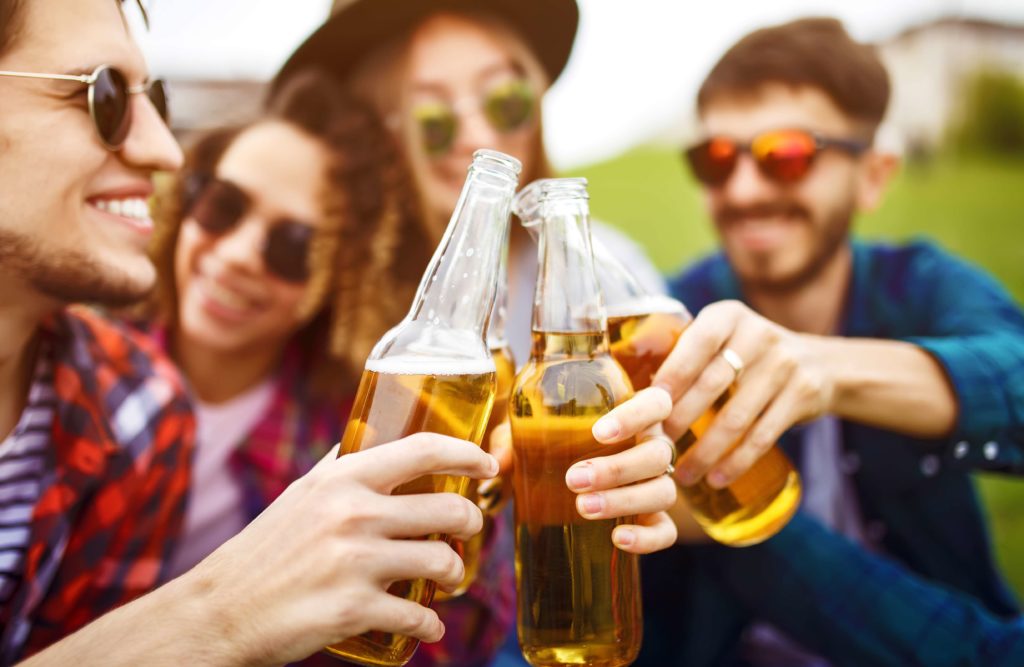
Opportunity Lies in Quality and Experience
As consumption moderates, expectations rise. Rather than cutting back indiscriminately, consumers are trading up. Thirty-seven percent want beverages that pair well with food, 33% look for greater flavor variety, and 31% prioritize higher-quality ingredients. Premiumization also matters, with 21% seeking premium options and 25% interested in limited-edition offerings.
At the same time, dissatisfaction with taste remains a barrier. Across beer, wine, and spirits, many consumers believe flavor innovation could be improved (31% for beer, 36% for wine, and 34% for spirits). Some consumers avoid these categories entirely, indicating missed opportunities driven by uninspiring flavor profiles.
Redefining Growth in a Moderated Market
Moderation does not signal decline, it signals evolution. The future of alcohol is not alcohol-free, but more thoughtful, curated, and experience-led. For brands, the opportunity lies in shifting focus from quantity to quality, elevating flavor innovation, and delivering products that feel worth the occasion.
Discover how alcohol moderation is influencing consumer preferences with FMCG Gurus’ Trend Report – How Moderation and Abstaining will Shape NPD in the Alcoholic Beverage Market – 2025. For more information, contact us at info@fmcggurus.com.