GLP-1 moves from medical to mainstream
Awareness of GLP-1 medications has grown rapidly, pushing them from clinical settings into mainstream conversation. People once viewed GLP-1 primarily as a diabetes treatment, but they now increasingly discuss it as a weight management solution, driven by online articles, social media, and broader weight loss culture. This shift creates both opportunity and risk for brands operating in nutrition, health, and wellness.
Today, over one in five global consumers say they would be willing to use weight-loss drugs such as GLP-1, yet only 17% say they are currently using them. This gap highlights how curiosity and intent are outpacing real understanding around suitability and access.
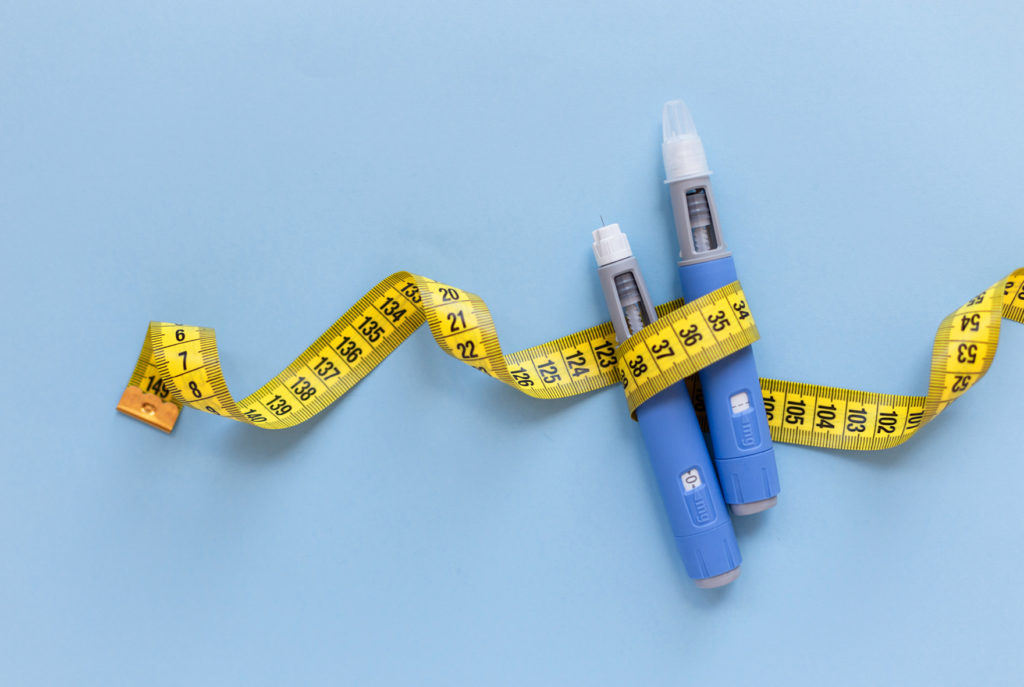
Convenience is reshaping perceptions
As patents expire and innovation accelerates, GLP-1 is expected to move into more familiar formats, such as capsules or gummies. This matters because 62% of global consumers have already used nutritional supplements in capsule format. This makes these delivery systems feel accessible and low risk.
However, familiarity also changes perception. When medical products start to resemble everyday supplements, the line between treatment and wellness begins to blur. While convenience can reduce barriers to trial, it also risks repositioning GLP-1 as a lifestyle aid rather than a serious medical intervention.

Safety concerns remain high
Despite growing interest, trust in GLP-1 is far from universal. Among consumers who hold negative views of these medications, 59% say they see them as unsafe or unhealthy. This shows that while awareness is rising, confidence is still fragile.
At the same time, real-world experience reinforces these concerns. 76% of consumers who have used GLP-1 say they experienced side effects. As access expands and formats become easier to use, broader adoption also brings greater exposure to negative outcomes when people misunderstand or misuse these products.
Image-driven usage is a growing risk
Another challenge is how GLP-1 is being framed culturally. Among consumers with favorable perceptions of these drugs, 17% believe they can help maximize physical appearance. This signals a shift away from medical necessity toward aesthetic motivation.
At the same time, many consumers recognize the need for limits. 55% agree there should be tight restrictions on who can access GLP-1 medications, showing a clear tension between growing interest and concerns about overuse, misuse, and inappropriate targeting.
Why positioning now matters more than ever
Greater accessibility, new formats, and social influence are expanding the GLP-1 audience. Alongside this, the risk that people trivialize, glamorize, or misunderstand these products is increasing.
GLP-1 must be positioned as a serious medical nutrition solution, not a quick fix or lifestyle upgrade. This is something brands must prioritize. Targeting, format choices, and messaging all play a role in reinforcing medical credibility, setting realistic expectations, and supporting responsible use.
Looking ahead
GLP-1 is no longer a niche, clinical-only topic. Consumers are bringing GLP-1 into the mainstream weight management conversation as convenience, social influence, and frustration with traditional diets change expectations. But growth without guidance comes with real risks.
Brands that succeed will be those that resist mass-market shortcuts, focus on the right audiences, and prioritize education over hype. In a category where trust, safety, and credibility are essential, cautious, responsible positioning will be the strongest foundation for long-term growth.
Discover how rising interest in GLP-1 medications, and evolving attitudes toward medical weight management are shaping the future of health and nutrition with FMCG Gurus’ Trend Report – The GLP-1 Effect– 2026. For more information, contact us a info@fmcggurus.com.