Meal-time shortcuts are evolving beyond basic convenience
Consumers want meals to feel more creative, healthier, and rewarding. However, busy lifestyles, rising stress levels, and inconsistent meal routines are making cooking from scratch harder to maintain.
As a result, meal-time hacks are becoming more important. Consumers are looking for shortcuts that still allow them to feel involved in the cooking process, without requiring significant time, effort, or skill.
For brands, this creates an opportunity to reposition convenience foods beyond simple time saving. Semi-prepared meals, flavor kits, sauces, and premium ready meals can now tap into demand for experimentation, health, and everyday creativity.
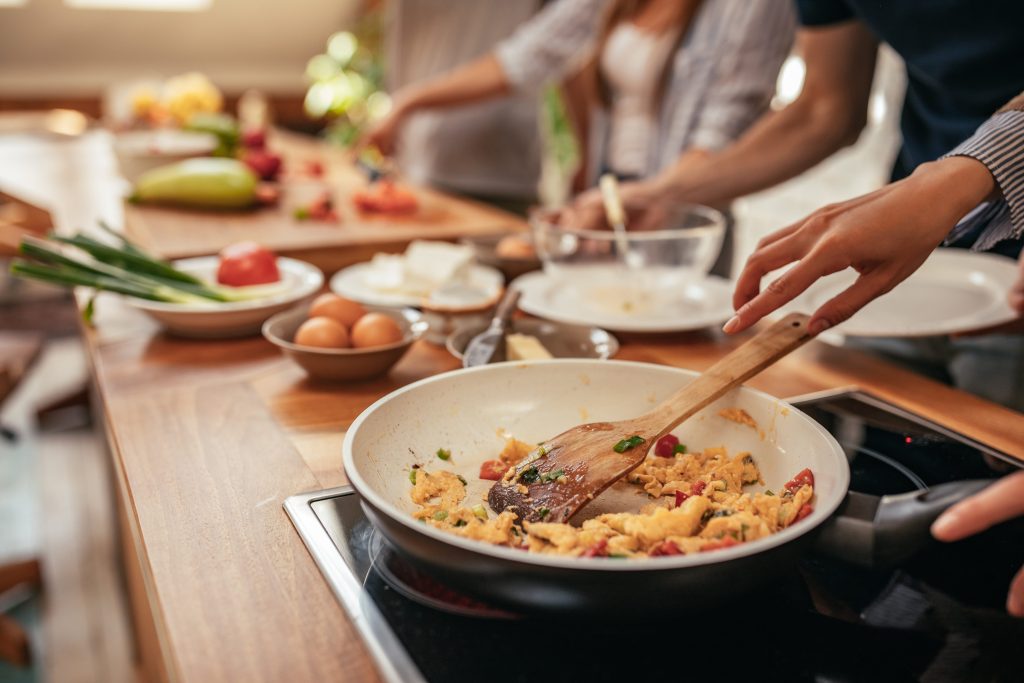
Consumers want more experimental mealtimes
Consumers increasingly associate food with creativity, identity, and exploration. Meals are no longer viewed purely as a necessity. Instead, they are becoming a way for consumers to feel adventurous and broaden their cooking experiences.
According to FMCG Gurus research, 57% of global consumers say they are more likely to seek out new and unusual flavors when it comes to food. Additionally, 71% say they enjoy trying flavors from different regions around the world.
This highlights how experimentation is becoming embedded into everyday meal routines. Consumers want meals to feel more interesting and sophisticated, even when cooking at home.
However, many consumers lack the confidence, time, or energy to create these experiences entirely from scratch.
Health and convenience are becoming more connected
Experimental cooking is also increasingly linked with healthier eating aspirations. Consumers often associate world cuisines with fresh ingredients, herbs, spices, vegetables, and less processed preparation methods.
This matters because consumers want healthy eating to feel enjoyable rather than restrictive. Instead of viewing healthier choices as a compromise, consumers are looking for meals that combine flavor discovery with wellbeing.
FMCG Gurus research shows that 54% of consumers say they have attempted to improve their diet in the last two years, whilst 72% say taste and flavor are important when selecting food and drink products.
For brands, this creates an opportunity to position convenient meal solutions around both enjoyment and health. Products that feature authentic flavor cues, visible ingredients, and natural associations can feel closer to scratch cooking and more aligned with consumer aspirations.
Everyday pressures are driving demand for meal-time hacks
While consumers may aspire to cook more adventurous and healthier meals, modern lifestyles often make this difficult.
Time scarcity, stress, and rising costs continue to shape eating habits. Cooking from scratch requires planning, preparation, and energy, all of which can feel unrealistic during busy weekdays.
According to FMCG Gurus research, 65% of consumers say healthy eating is expensive, whilst 64% admit they often eat and drink unhealthily because they feel stressed. This is widening the gap between cooking ideals and reality. Consumers still value structured mealtimes and healthier eating habits, but they increasingly need easier ways to achieve these goals.
As a result, meal-time hacks are becoming more appealing because they reduce effort whilst still allowing consumers to feel involved in meal preparation.
Convenience must move beyond basic time saving
Consumers already understand that convenience foods save time. This means brands need to communicate additional value beyond speed alone.
Consumers do not want convenience to feel repetitive, uninspiring, or overly processed. Instead, they want shortcuts that still feel creative and rewarding. This is where semi-prepared formats become especially relevant. Meal kits, seasoning bases, ready-to-cook formats, and premium ready meals can help consumers personalize meals whilst reducing effort.
FMCG Gurus research also highlights how consumers are already engaging with bolder flavors in convenience categories. For example, 75% of consumers say they have tried grilled or chargrilled flavors in ready meals, whilst 72% have tried spicy flavors.
The opportunity for brands is to create products that allow consumers to add, mix, or customize meals in simple ways. This helps maintain the feeling of participation without requiring full scratch cooking.
Storytelling can make convenience feel more premium
Convenience products also need stronger emotional and experiential appeal. Consumers want products to feel authentic, crafted, and inspired by global cuisines. Storytelling around regional flavors, cooking styles, ingredient origins, and serving suggestions can help convenient products feel more premium and credible.
According to FMCG Gurus research, 67% of global consumers say they like trying flavors from specific regions around the world. This shows how consumers are looking for more than functionality alone. They want products that help elevate everyday meals and make cooking feel more engaging.
For brands, storytelling can therefore play an important role in repositioning ready meals and semi-prepared products as accessible tools for creativity and flavour exploration.
The rise of digital meal inspiration
Consumers are turning to social media, online recipes, and AI-driven inspiration when deciding what to cook. This is accelerating demand for personalized and flexible meal solutions that can easily fit into modern cooking habits. Consumers want ideas that work with the ingredients they already have available, whilst still helping meals feel interesting and varied.
As a result, brands should develop products that are easy to customize, combine, and adapt across different meal occasions. By aligning products with digital meal inspiration and everyday convenience needs, brands can position themselves at the centre of modern meal-time behaviours.
Looking ahead
Meal-time hacks reflect a broader shift in consumer expectations around convenience food. Consumers no longer want shortcuts that simply save time. Instead, they want products that help them feel healthier, more creative, and more involved in the cooking process.
For brands, this means combining convenience with experimentation, authenticity, and personalization. Those that can make everyday cooking feel easier whilst still delivering flavor discovery and creativity will be best positioned to resonate with modern consumers.