Why ingredient transparency is the new premium
The desire to position products as premium is not new. However, what defines premium is changing. Consumers are no longer convinced by price alone. Instead, they are looking for reassurance around what ingredients go into products and how they are made.
At a time when trust is fragile and spending is more considered, ingredient transparency is becoming the foundation of premium positioning.
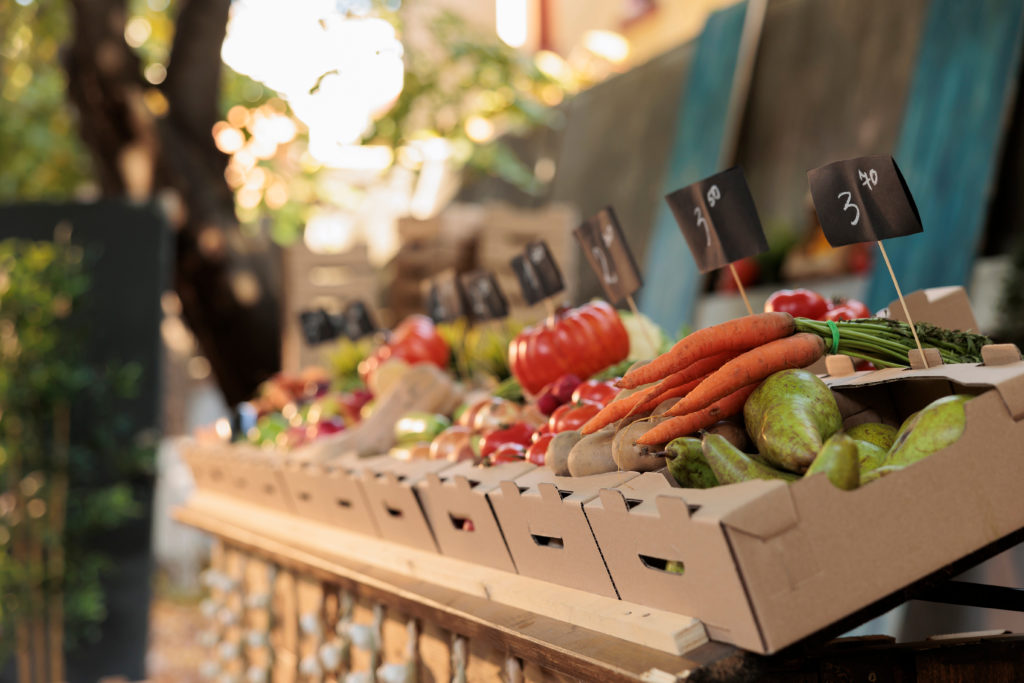
Consumers prioritize simplicity, not complexity
When deciding what to eat and drink, consumers focus on a few key factors. Taste remains the leading driver, with 88% prioritizing flavor, followed by 85% who consider price important, and 79% who look for natural claims.
This highlights a simple truth. Consumers are not overwhelmed by functionality or complex claims. Instead, they are drawn to products that feel real, taste good, and offer value. Ingredient quality plays a direct role in shaping these perceptions, influencing both sensory appeal and willingness to trade up.
Natural ingredients hold more value than claims
There is a clear difference between what consumers say and what they believe. While natural claims are common, trust comes from the overall formulation. Indeed, 68% of consumers say they are willing to pay a premium for natural ingredients, compared to just 37% for natural colors.
This shows that focusing on individual claims is not enough. Consumers are looking at the product as a whole. They want reassurance that what they are buying is authentic, not engineered to appear healthier than it is.
Transparency is more influential than health messaging
Consumers are becoming more skeptical of brands. Only around a third believe that food and drink brands are fully honest about the ingredients used in their products.
As a result, transparency is becoming more important than traditional health positioning. Brands must communicate where ingredients come from, how they are sourced, and why they are used. This level of openness builds trust and helps justify a higher price point.
Naturalness signals quality and justifies trade-up
Natural positioning has wide appeal, but it also creates expectations. Around 70% of consumers say it is important that groceries are 100% natural.
This matters because naturalness is closely linked with perceptions of quality, health, and sustainability. When brands can successfully communicate these attributes together, they create a stronger reason for consumers to trade up. It is not just about being healthier, but about offering something better overall.
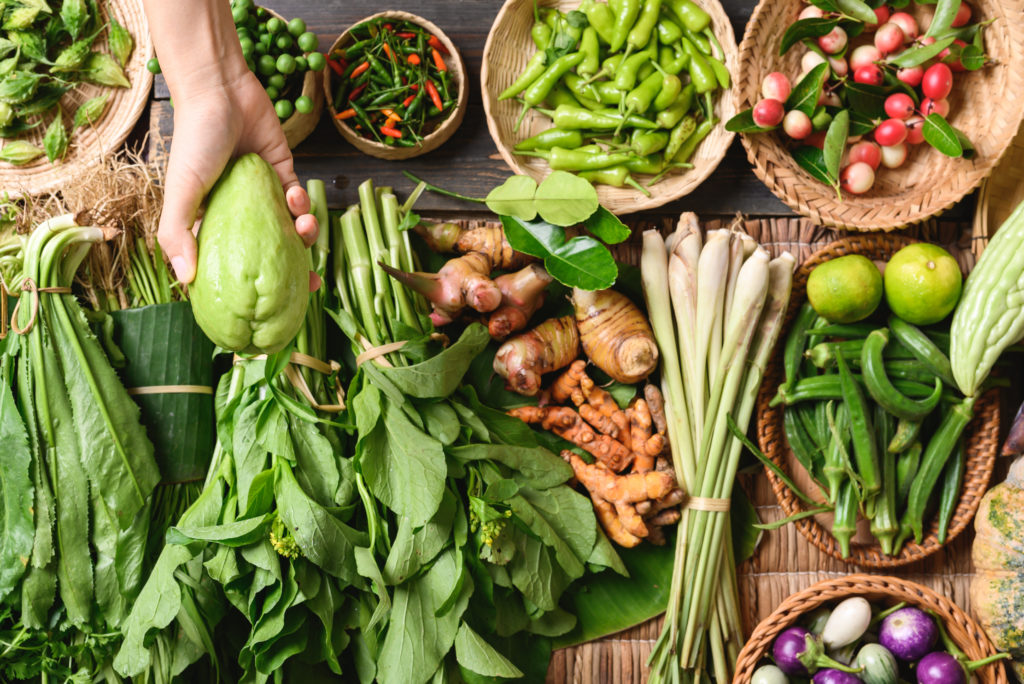
Authenticity must be proven, not claimed
Consumers are not easily convinced by labels alone. They want to understand the story behind the product. The use of “real” ingredients influences 64% of consumers, while 58% say transparency about origin impacts their decision-making.
This means brands must go beyond claims and bring products to life. Highlighting sourcing, origin, and production methods helps create a sense of authenticity. It also positions products as more artisanal and less mass-produced.
Premium positioning requires a sense of exclusivity
To justify a higher price, products must feel different from standard offerings. Consumers associate premium with quality, with 87% identifying high-quality ingredients as a key marker of a premium foodservice experience.
This shows that premium is as much about perception as it is about product. Brands must create a sense of exclusivity through ingredient quality, storytelling, and positioning. Without this, the message of premium becomes diluted.
Ingredient integrity is the new benchmark
The definition of premium is shifting. Consumers are placing more emphasis on transparency, authenticity, and ingredient integrity. Brands that focus on these areas can build trust, justify higher price points, and encourage trade-up. Those that rely on vague claims risk being overlooked.