Healthy aging matters at every life stage, but the reasons consumers engage with their health can differ significantly by age
Healthy aging is no longer only relevant to older consumers. People across generations are thinking about their wellbeing and the impact their current lifestyles may have on future health. However, this does not mean they share the same priorities.
FMCG Gurus’ research shows that 72% of global consumers describe themselves as healthy or very healthy. Yet, perceptions of good health can differ by life stage. Younger adults often focus on how they feel today, while older consumers place more value on maintaining independence and quality of life. This means brands need to make healthy aging relevant to what consumers want from their health now.
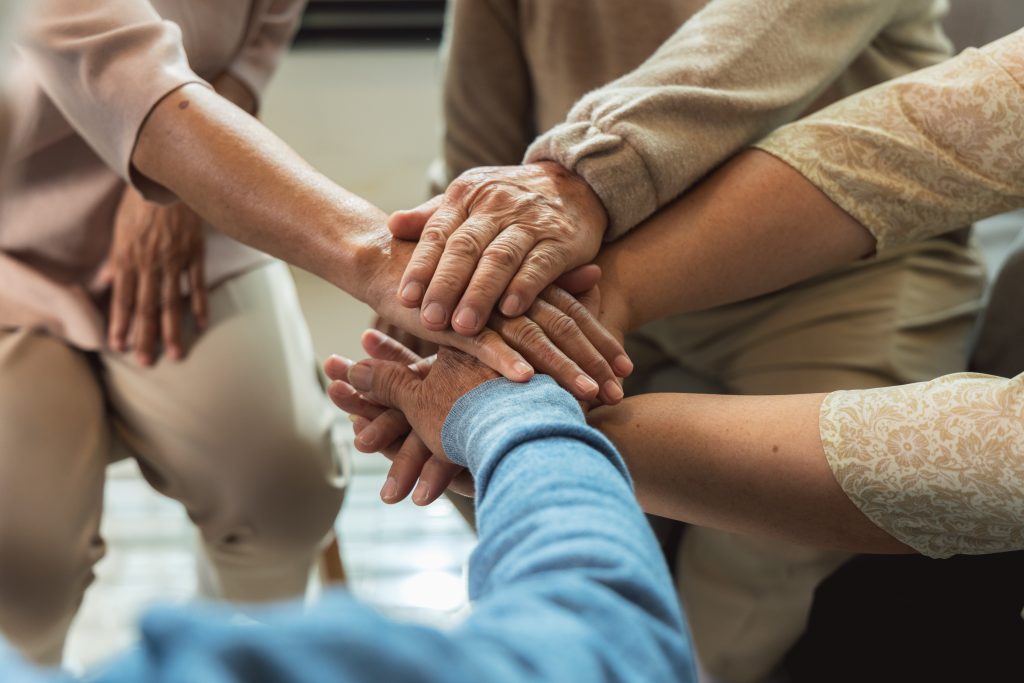
Younger consumers want to feel better today
Younger adults can be highly aware of weaknesses in their diets and lifestyles. Stress, poor sleep, low energy, and busy routines can all influence how they judge their health.
As a result, immediate wellbeing often takes priority over distant health goals. FMCG Gurus’ research shows that 45% of Generation Z plan to improve their general health and wellness over the next twelve months. Meanwhile, 39% plan to improve their mood and mental wellbeing.
This creates a challenge for healthy aging positioning. Younger consumers may understand the importance of longevity, but benefits that could appear decades into the future can feel less urgent. Brands should connect long-term health with outcomes that feel relevant today, such as energy, sleep, mood, appearance, and everyday vitality.
Healthy aging needs to fit into everyday life
Health goals do not exist in isolation. Affordability, time pressures, and stress can make healthier lifestyles more difficult to maintain. This is particularly important when targeting younger consumers who may want convenient solutions that provide clear benefits without adding complexity to their routines.
Trust also matters. Among Generation Z consumers who have taken nutritional supplements in the last two years, 35% say product claims and benefits influence their purchase choice. A further 35% are influenced by ingredient listings.
Therefore, brands should make it easy for consumers to understand what a product does and why it matters. Scientific innovation can add value, but complex messages may create barriers if consumers cannot connect them with a recognizable benefit.
Older consumers are focused on maintaining independence
Priorities can become more focused later in life. Older consumers may accept some physical changes as a natural part of aging. However, they can place greater importance on areas of health that could affect their independence.
For instance, 25% of Baby Boomers plan to improve their joint health over the next twelve months. This highlights the importance of supporting mobility and helping consumers continue with the activities they enjoy.
Healthy aging messages should therefore avoid presenting older consumers as vulnerable. Instead, brands can focus on maintaining strength, mobility, cognitive health, immunity, and quality of life. Positive messaging can make age-specific benefits relevant without reinforcing negative stereotypes around aging.

One healthy aging message will not work for everyone
Healthy aging presents opportunities across generations, but personalization needs to go beyond age alone. Brands should consider what consumers are trying to achieve at each stage of life and how health products fit into their existing routines.
For younger adults, this means connecting future health with benefits they can recognize today. For older consumers, it means helping them maintain the health, independence, and lifestyle they already value.
Ultimately, healthy aging should not be positioned as one universal goal. Brands that understand how motivations change throughout life can create products and messages that feel more relevant, accessible, and credible.
Want to understand how health priorities change across different life stages and what this means for future innovation? Explore FMCG Gurus’ The Generational Divide in Healthy Aging: Understanding What Healthy Aging Means at Every Life Stage Trend Report for more insight.