Consumers are paying closer attention to ingredients
Consumers are paying closer attention to ingredient transparency in food and drink. Concerns about ultra-processed foods, artificial ingredients, and nutritional quality are influencing how consumers evaluate products and make purchasing decisions.
FMCG Gurus’ consumer insights reveal that 27% of global consumers believe ultra-processed foods are very unhealthy, highlighting concerns around food processing.
As a result, ingredient lists are becoming an important way for consumers to assess product quality. However, while simple formulations can offer reassurance, shorter ingredient lists do not always mean better nutritional value.
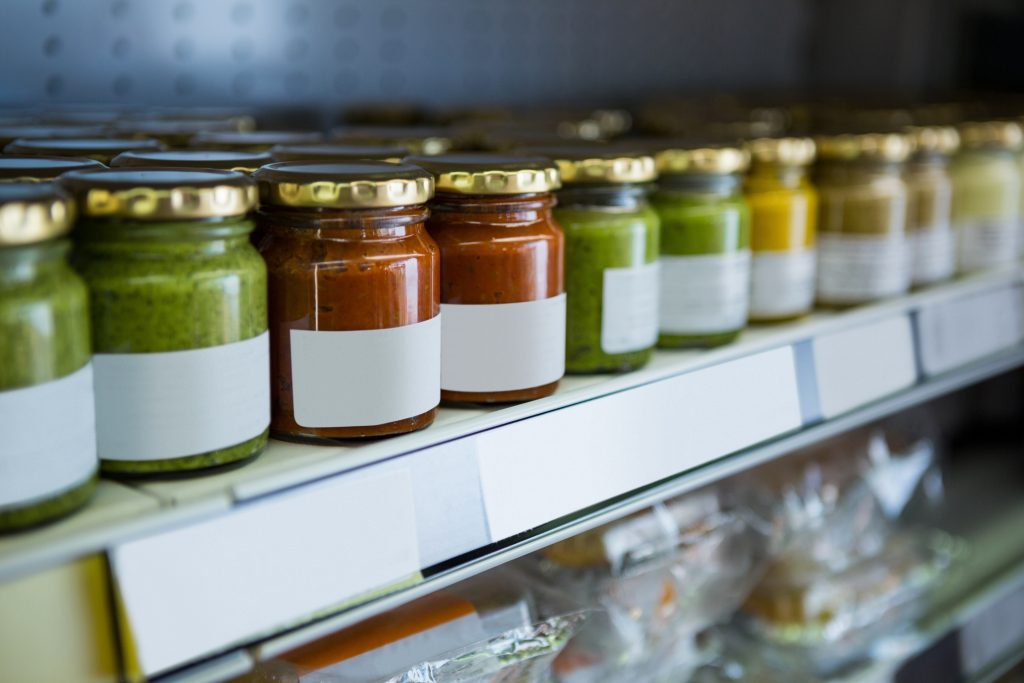
Naturalness and familiar ingredients offer reassurance
Consumers often associate natural and recognizable ingredients with healthier food and drink choices. Products containing familiar ingredients can feel easier to understand, particularly when consumers recognize them from everyday cooking.
FMCG Gurus’ research shows that 71% of global consumers consider it important or very important that groceries are 100% natural.
This preference creates opportunities for brands to focus on clean-label formulations and ingredient simplicity. In fact, 29% of global consumers prioritize products containing recognizable ingredients when choosing food and drink.
However, brands must ensure that simplifying formulations does not compromise taste, texture, or nutritional quality. Ingredient minimalism should support the overall product experience rather than become the sole focus of innovation.
Ingredient transparency goes beyond the label
Although consumers want greater ingredient transparency, understanding nutritional information remains a challenge.
FMCG Gurus’ research reveals that 49% of consumers in 2025 identified difficulty understanding nutritional labeling as a challenge to leading a healthy lifestyle.
Consumers may recognize unfamiliar ingredients on packaging without understanding their purpose. This can create negative assumptions about processing, even when ingredients provide nutritional or functional benefits.
Furthermore, 54% of global consumers who say they know what ultra-processed food is check ingredient labels to determine whether a product is ultra-processed.
Brands therefore need to go beyond simply listing ingredients. Clear explanations of why ingredients are included, and how they contribute to product quality, can help consumers make more informed decisions.
Balancing simplicity with nutritional benefits
While shorter ingredient lists can reassure consumers, complex formulations can still offer important nutritional benefits.
For example, ingredients such as added protein, fiber, vitamins, and probiotics may require additional processing. However, these ingredients can contribute to the nutritional value of a product.
FMCG Gurus’ research highlights that 71% of global consumers of plant-based meat alternatives find high-protein claims appealing. This demonstrates the importance of considering nutritional benefits alongside ingredient simplicity. Removing ingredients solely to shorten a label could reduce the benefits consumers value.
Brands should therefore focus on communicating the purpose of ingredients and ensuring that formulation decisions support both consumer expectations and product performance.

Building consumer trust through clear communication
As consumers scrutinize ingredient lists, brands have an opportunity to build trust through clearer product communication.
Simple formulations can help consumers feel reassured about their choices. However, transparency must also provide meaningful information about nutritional quality, processing methods, and ingredient functionality.
Brands should identify which ingredients create uncertainty and determine whether concerns require reformulation or clearer explanations. Communicating these benefits in straightforward language can help consumers better understand product value.
Ultimately, the opportunity lies in balancing ingredient simplicity with meaningful transparency, ensuring consumers understand not only what products contain, but why those ingredients matter.
Want to understand how ingredient transparency is shaping consumer expectations and what this means for food and beverage innovation? Explore FMCG Gurus’ Ingredient Lists: Balancing Minimalism and Meaningful Transparency Trend Report 2026 for more insights.